
Homebuyers often focus on mortgage rates and property taxes. They frequently overlook how a house affects their car insurance premiums. Your residence and your vehicle are financially linked. Insurers view your property features as indicators of risk. Choosing a home with specific security elements can save you hundreds of dollars annually on automotive coverage.
The Strategic Value of the Garage
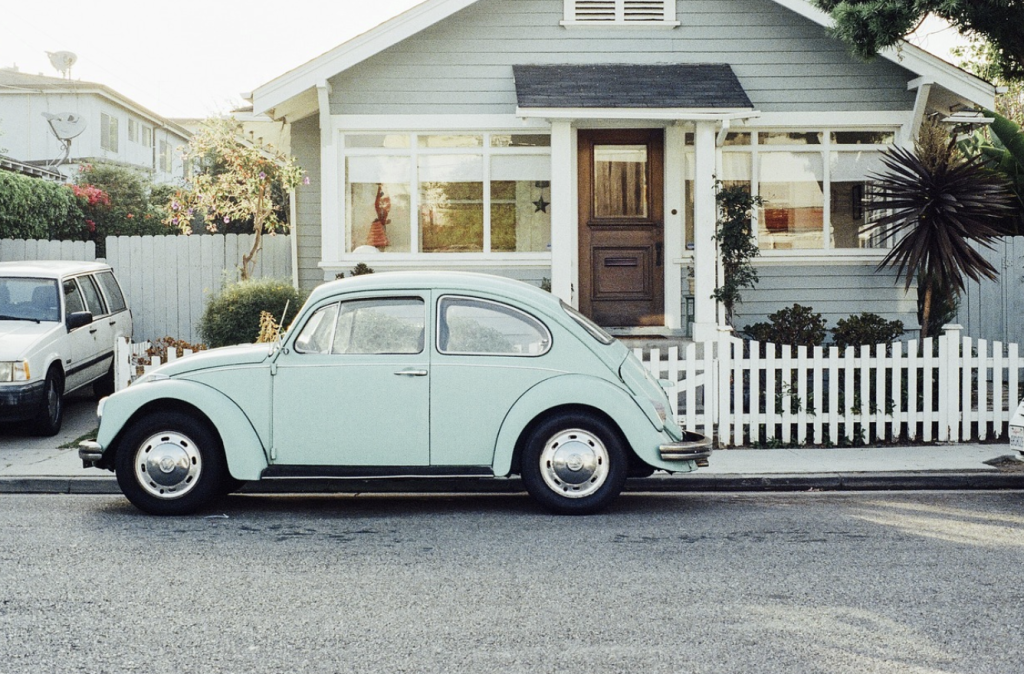
A locked garage is the most effective way to lower car insurance costs. Vehicles parked on the street face constant threats. Passing cars might clipping a side mirror. Thieves find street-parked cars easier to target. Weather events like hail or fallen branches cause significant damage to exposed vehicles.
Insurance companies reward homeowners who use garages. They see a car inside a structure as a “low-risk” asset. This protection reduces the frequency of comprehensive claims. When you move from a home with street parking to one with a private garage, notify your agent immediately. You will likely see a noticeable dip in your monthly bill.
The Real Estate Perspective
Jonathan Carcone, Principal at 4 Brothers Buy Houses, emphasizes the dual benefit of secure parking. “Safe storage is a top priority for property buyers and insurers alike,” Carcone says. “Having a garage or private driveway significantly reduces the likelihood of vehicle theft or accidental damage from passing traffic. When we evaluate properties, we notice that secure parking adds intrinsic value to the home while simultaneously lowering the homeowner’s ancillary costs, such as car insurance.”
Gated Communities and Security Infrastructure
Living in a gated community provides an extra layer of protection. These neighborhoods often have restricted access and security patrols. This infrastructure makes it difficult for unauthorized individuals to enter. Insurers recognize these barriers as significant deterrents to crime.
Beyond gates, individual property security matters. High-quality lighting and perimeter fences discourage vandals. Modern homes often include built-in surveillance systems. If your home security cameras cover your driveway, your car is safer. Some insurers offer “lifestyle” discounts for residents in high-security developments.
Location and Risk
Erik Egelko, President at Palm Tree Properties, highlights the importance of the surrounding environment. “Location remains the most influential factor in both real estate value and insurance risk assessment,” Egelko explains. “Living in a gated community or a low-crime neighborhood directly correlates with lower comprehensive coverage rates for your vehicle. A home’s security infrastructure doesn’t just protect the building; it provides a safer environment for every asset on the premises, including your car.”
Zip Codes and Demographic Data
Insurers use your zip code to calculate rates. They analyze local crime statistics and accident frequencies. Some neighborhoods are prone to flooding or wildfires. If you buy a home in a high-risk area, your car insurance will likely rise.
Urban areas usually have higher premiums than rural towns. Traffic density leads to more collisions. However, even within a city, specific streets are safer than others. Real estate investors should research insurance heat maps before purchasing. A beautiful home in a high-theft zip code might cost more in the long run.
The Impact of Smart Home Technology
Modern real estate often features smart technology. These systems monitor for fire, water leaks, and intruders. Some advanced systems integrate with vehicle telematics. If your home and car “talk” to each other through a central hub, you may qualify for tech-based discounts.
Security sensors on driveway gates are particularly helpful. They alert you if someone approaches your vehicle at night. Real-time alerts allow for faster responses to potential threats. Insurers love proactive homeowners who use technology to mitigate losses.
The Power of Policy Bundling
Owning real estate opens the door to bundling. Most insurance providers offer deep discounts when you combine homeowners and auto policies. This is a primary benefit of moving from a rental to a purchased home.
Bundling simplifies your finances. You deal with one company and one renewal date. The “multi-policy” discount is often the largest single reduction available to drivers. Always ask for a quote that includes both your new property and your existing vehicles.
Driveway Surfaces and Vehicle Maintenance
The physical condition of your property impacts your car. A paved, level driveway prevents wear and tear. Rough, gravel paths can kick up stones and crack windshields. Uneven surfaces might damage a car’s suspension over time.
While insurers don’t usually give a specific “paved driveway” discount, fewer claims lead to better rates. Maintaining your property ensures your car remains in peak condition. A clean, well-lit parking area also makes it easier to spot fluid leaks or tire issues early.
Proximity to Emergency Services
Insurers look at how close your home is to fire stations and police precincts. Fast response times reduce the severity of losses. If a fire starts in a garage, a nearby station can save the vehicle inside.
This factor is more relevant for homeowners insurance, but it spills over into auto coverage. Areas with high police visibility tend to have lower rates of vehicle theft. When scouting for real estate, notice the local infrastructure. Better public services often lead to lower private insurance costs.
Final Thoughts for Smart Buyers
Real estate is a multifaceted investment. Every feature of your home plays a role in your overall cost of living. Prioritizing garages, security, and safe zip codes pays off at the insurance agency.
Before signing a closing document, call your insurance agent. Provide the new address and describe the parking situation. This information allows you to budget accurately for your transition. Smart property choices protect your family, your home, and your car. By aligning your real estate goals with insurance logic, you maximize your financial health.